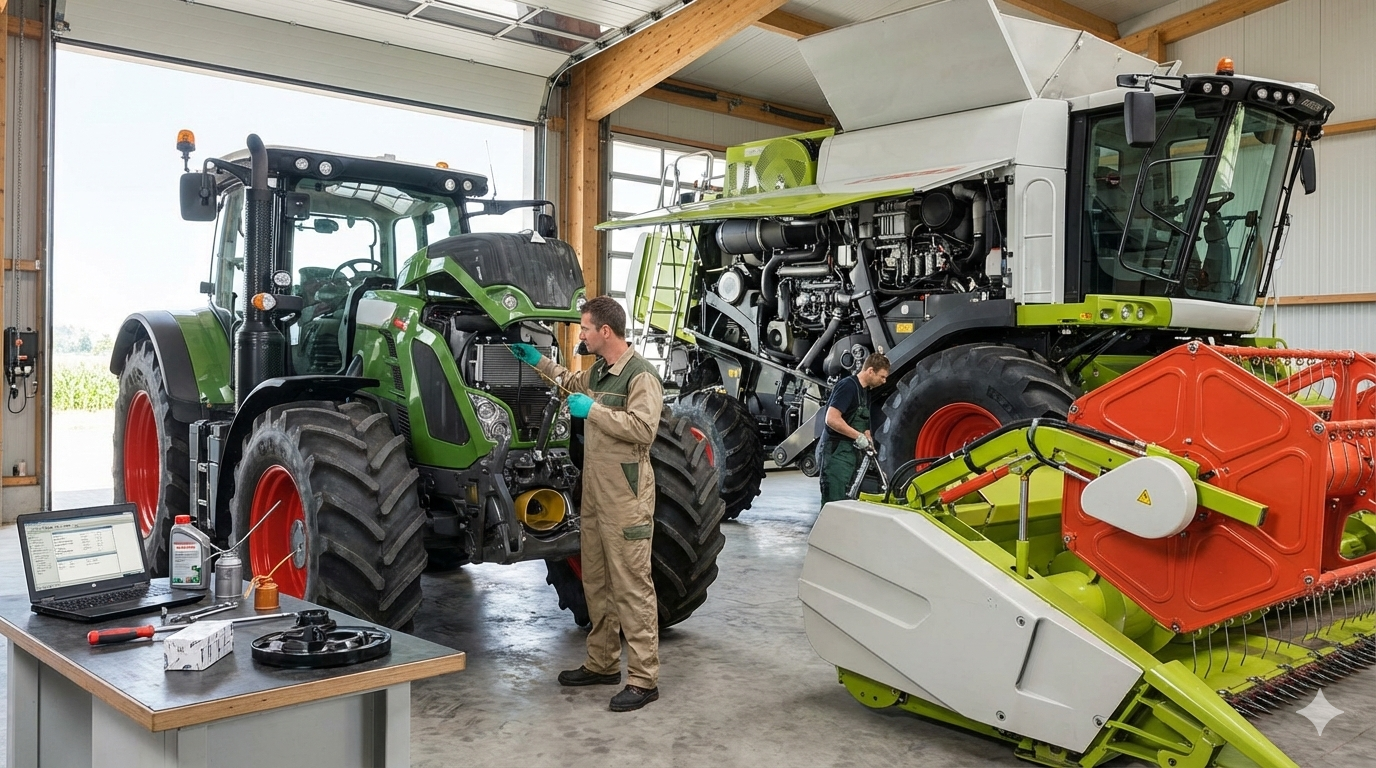
Agricultural machines are the backbone of modern farming. From tractors and harvesters to seed drills and sprayers, these machines make it possible to farm efficiently, save labor, and increase productivity. However, even the most advanced equipment will fail prematurely if it is not properly maintained. Regular maintenance is not just about preventing breakdowns—it’s about protecting your investment, ensuring safety, and maximizing performance throughout the farming season.
In this comprehensive guide, we’ll cover practical, easy-to-follow maintenance tips for agricultural machines. Whether you operate a small family farm or manage large-scale agricultural machinery, these tips will help you reduce downtime, extend equipment lifespan, and keep your operation running smoothly.
Why Regular Maintenance of Agricultural Machines Matters
Proper maintenance is often overlooked until a machine breaks down at the worst possible time—right in the middle of planting or harvesting season. Preventive care helps farmers avoid these costly disruptions.
Key Benefits of Regular Maintenance
Extended machine lifespan
Reduced repair and replacement costs
Improved fuel efficiency
Safer working conditions
Consistent machine performance
Well-maintained agricultural machines not only perform better but also retain higher resale value, making maintenance a smart long-term strategy.
Understanding Different Types of Agricultural Machines
Before diving into maintenance routines, it’s important to understand the types of machines commonly used on farms.
Common Agricultural Machines
Tractors
Combine harvesters
Plows and tillers
Seeders and planters
Sprayers
Balers
Irrigation pumps
Each machine has unique maintenance needs, but many best practices apply across all equipment.
Creating a Preventive Maintenance Schedule
One of the most effective ways to maintain agricultural machinery is by following a preventive maintenance schedule.
Why a Maintenance Schedule Is Essential
A schedule ensures that critical tasks like lubrication, inspections, and part replacements are done on time. This prevents small issues from turning into major failures.
What to Include in Your Schedule
Daily checks
Weekly servicing
Seasonal maintenance
Annual overhauls
Using a checklist or digital farm management software can help track maintenance activities consistently.
Daily Maintenance Checks You Should Never Skip
Daily inspections take only a few minutes but can save hours of downtime.
Key Daily Maintenance Tasks
Check oil and coolant levels
Inspect tires or tracks for wear
Look for fluid leaks
Clean dust and debris from air intakes
Test lights, brakes, and controls
These quick checks help identify problems early, before they affect machine performance.
Proper Lubrication: The Lifeline of Farm Machines
Lubrication reduces friction between moving parts, preventing excessive wear and overheating.
Lubrication Best Practices
Follow manufacturer-recommended lubrication intervals
Use the correct type of grease or oil
Clean grease fittings before application
Avoid over-lubrication, which can attract dirt
Consistent lubrication significantly extends the life of bearings, joints, and moving components.
Engine Maintenance Tips for Agricultural Equipment
The engine is the heart of any agricultural machine, and keeping it in top condition is essential.
Engine Care Essentials
Change engine oil and filters regularly
Replace fuel filters as recommended
Inspect belts and hoses for cracks
Keep the cooling system clean and filled
Use high-quality fuel to prevent contamination
Ignoring engine maintenance can lead to reduced power, increased fuel consumption, and costly repairs.
Air Filter and Fuel System Maintenance
Dusty farm environments can quickly clog air and fuel systems.
Air Filter Maintenance
Clean or replace air filters frequently
Inspect pre-cleaners for debris
Never operate machines with damaged filters
Fuel System Care
Drain water from fuel separators
Keep fuel tanks clean and sealed
Use clean storage containers for fuel
Clean air and fuel systems ensure efficient combustion and optimal engine performance.
Hydraulic System Maintenance Tips
Hydraulic systems power many agricultural machines, making them critical for operation.
How to Maintain Hydraulic Systems
Check hydraulic fluid levels regularly
Replace hydraulic filters on schedule
Inspect hoses and fittings for leaks
Use the correct hydraulic oil grade
Hydraulic failures can halt operations instantly, so proactive care is essential.
Electrical System and Battery Care
Modern agricultural machines rely heavily on electrical systems for operation and monitoring.
Electrical Maintenance Tips
Inspect wiring for damage or corrosion
Keep battery terminals clean and tight
Check alternator and starter function
Store batteries properly during off-season
A healthy electrical system ensures reliable starts and accurate machine diagnostics.
Tire, Track, and Undercarriage Maintenance
Tires and tracks directly affect traction, fuel efficiency, and soil compaction.
Tire Maintenance Tips
Maintain correct tire pressure
Inspect for cuts, cracks, and uneven wear
Rotate tires when applicable
Track and Undercarriage Care
Remove debris regularly
Check track tension
Inspect rollers and idlers
Proper care improves machine stability and reduces operating costs.
Cleaning Agricultural Machines After Use
Cleaning is one of the simplest yet most effective maintenance practices.
Why Cleaning Matters
Dirt, crop residue, and chemicals can cause corrosion and overheating.
Best Cleaning Practices
Remove debris after every use
Pressure wash carefully to avoid damaging seals
Clean radiators and cooling fins
Allow machines to dry before storage
A clean machine is easier to inspect and lasts longer.
Seasonal Maintenance: Preparing for Peak Farming Periods
Seasonal maintenance ensures machines are ready when you need them most.
Pre-Season Maintenance
Inspect all components thoroughly
Replace worn parts
Test machine performance under load
Post-Season Maintenance
Clean machines thoroughly
Drain or stabilize fuel
Perform minor repairs
Store equipment properly
Seasonal care reduces surprises during busy farming periods.
Proper Storage of Agricultural Machines
How you store equipment during downtime greatly affects its condition.
Storage Best Practices
Store machines in dry, covered areas
Protect exposed metal parts with rust inhibitors
Disconnect batteries if unused for long periods
Cover machines to prevent dust buildup
Good storage habits prevent deterioration and extend machine life.
Using Genuine Parts and Manufacturer Guidelines
Using genuine parts may seem expensive, but it pays off in the long run.
Why Genuine Parts Matter
Better fit and durability
Maintains warranty coverage
Reduces risk of premature failure
Always follow manufacturer guidelines for service intervals and part replacements.
Training Operators for Better Machine Care
Even the best maintenance plan fails if operators misuse equipment.
Operator Training Benefits
Reduced wear and tear
Improved safety
Better fuel efficiency
Early detection of issues
Well-trained operators are your first line of defense against equipment damage.
Common Maintenance Mistakes to Avoid
Avoiding common mistakes can save time and money.
Skipping routine maintenance
Ignoring warning signs
Using incorrect fluids or parts
Overloading machines
Poor storage practices
Learning from these mistakes helps maintain consistent machine performance.
Leveraging Technology for Machine Maintenance
Technology is transforming how farmers manage equipment maintenance.
Helpful Maintenance Technologies
Telematics systems
Maintenance reminder apps
Digital service logs
Diagnostic sensors
These tools help farmers make data-driven maintenance decisions.
Conclusion
Proper maintenance of agricultural machines is not an optional task—it is a critical part of successful farming. Regular inspections, preventive servicing, proper cleaning, and correct storage all contribute to longer machine life, lower operating costs, and improved safety. By following these maintenance tips for agricultural machines, farmers can minimize downtime, avoid expensive repairs, and ensure their equipment performs reliably season after season.
Investing time in maintenance today means fewer breakdowns tomorrow—and a more productive, profitable farming operation in the long run.